
How Untreated Sleep Apnea Threatens Your Health
Sleep apnea is more than just snoring or restless nights. Left untreated, it can lead to serious health complications that affect your heart, brain, and overall quality of life. Many residents of Windsor, CT, and surrounding areas such as Bloomfield, South Windsor, East Hartford, and West Hartford are unaware of the risks associated with untreated sleep apnea.
Dr. Roberta Garceau, our trusted sleep apnea dentist in Windsor, CT, provides exceptional care to help patients manage and treat this condition before it escalates. If you’re suffering with sleep apnea, contact our sleep center in Windsor by calling (860) 254-6189 to learn about your treatment options.

Why Windsor Residents Choose Dr. Garceau for Diagnosing Sleep Apnea
Dr. Roberta Garceau is a highly respected sleep apnea dentist in Windsor, CT, serving patients in surrounding areas including Bloomfield, South Windsor, East Hartford, and West Hartford. Residents choose Dr. Garceau for her personalized approach and advanced diagnostic techniques. Here’s why:
- Comprehensive Evaluations: Dr. Garceau conducts detailed assessments to identify the root cause of sleep apnea.
- Advanced Technology: She uses cutting-edge diagnostic tools to monitor sleep patterns and oxygen levels.
- Customized Treatment Plans: Each patient receives a plan tailored to their specific needs, including oral appliance therapy, lifestyle recommendations, and referrals to sleep specialists when necessary.
- Patient-Centered Care: Dr. Garceau prioritizes comfort, education, and long-term health, ensuring every patient understands their treatment options.
By combining skill with compassion, Dr. Garceau helps patients achieve better sleep and healthier lives.
What is Sleep Apnea?
Sleep apnea is a common disorder where breathing repeatedly stops and starts during sleep. The most prevalent form, obstructive sleep apnea, occurs when throat muscles relax and block the airway. There is also central sleep apnea, which is caused by a failure in the brain’s signaling to breathe. Both types disrupt sleep, reduce oxygen levels in the body, and can lead to chronic health problems if left untreated.
Symptoms of sleep apnea include loud snoring, choking or gasping during sleep, excessive daytime fatigue, morning headaches, difficulty concentrating, and irritability. Ignoring these signs can put your health at risk and diminish your quality of life.

Why Untreated Sleep Apnea is Dangerous
Untreated sleep apnea can have serious and sometimes life-threatening consequences. Some of the most concerning health risks include:
- Heart Disease and High Blood Pressure: Sleep apnea forces your heart to work harder during repeated oxygen drops, increasing the risk of hypertension, heart attack, and stroke.
- Type 2 Diabetes: Poor sleep affects insulin regulation, raising the risk of developing diabetes.
- Obesity: Disrupted sleep can alter hormones that control appetite, contributing to weight gain.
- Mental Health Issues: Sleep apnea is linked to anxiety, depression, and cognitive decline due to chronic sleep deprivation.
- Daytime Accidents: Excessive fatigue increases the likelihood of motor vehicle accidents and workplace injuries.
Recognizing these risks early and seeking treatment from our qualified sleep specialist can prevent long-term complications and improve overall health. Don’t wait any longer, contact our Windsor sleep dentist by calling (860) 254-6189.
Sleep Apnea Treatments Offered at Our Windsor Dental Office
Treatment for sleep apnea depends on the severity and type of the condition. Options may include:
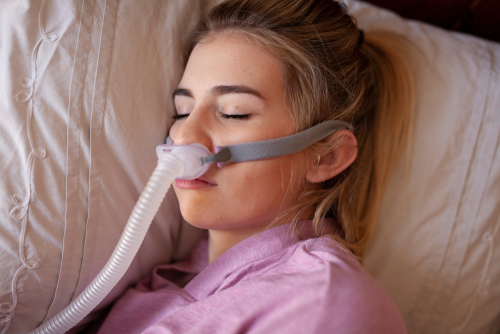
- Continuous Positive Airway Pressure (CPAP) Therapy: A mask worn during sleep that maintains airway pressure to prevent collapse.
- Oral Appliances: Custom devices designed by Dr. Garceau that reposition the jaw and tongue to keep the airway open.
- Lifestyle Changes: Weight loss, avoiding alcohol or sedatives, quitting smoking, and altering sleep positions.
- Surgical Interventions: For severe cases, procedures may be recommended to remove excess tissue or correct structural issues.
Dr. Garceau works closely with patients to determine the most effective treatment plan that fits their lifestyle and medical needs.
How Our Windsor Dentist Diagnoses Sleep Apnea
Diagnosing sleep apnea starts with a thorough evaluation of your symptoms and medical history. At our Windsor dental office, our sleep apnea dentist takes a personalized approach to ensure accurate diagnosis and effective treatment.
Initial Consultation: During your first visit, Dr. Garceau will review your sleep patterns, snoring history, daytime fatigue, and overall health. She may ask about your medical background, family history of sleep disorders, and any medications you take.
Oral Examination: Dr. Garceau examines the structure of your mouth, jaw, and airway. Factors such as a small jaw, enlarged tonsils, or tongue position can contribute to obstructive sleep apnea.
Advanced Diagnostic Tools: Depending on your needs, Dr. Garceau may recommend a home sleep study or collaborate with a certified sleep specialist in Connecticut for in-lab testing. These studies monitor your breathing patterns, oxygen levels, and sleep cycles to identify the severity of your sleep apnea.
Customized Assessment: After reviewing your results, Dr. Garceau creates a personalized treatment plan, which may include oral appliance therapy, lifestyle recommendations, or referrals for CPAP or other therapies. This comprehensive approach ensures that Windsor residents receive accurate diagnoses and effective, long-term care.
Frequently Asked Questions
How do the three types of sleep apnea differ?
All forms of sleep apnea result in repeated pauses in your breathing during sleep. These pauses can occur anywhere between five to upwards of thirty times an hour. However, what is different is the reasons for the pauses.
Obstructive Sleep Apnea (OSA)—the throat muscles and mouth tissues relax during rest to the point they collapse into the airway which restricts airflow. As a defense, the brain jolts you awake so that you can breathe properly. This is the most common form of sleep apnea and treatment is geared towards removing the obstruction.
Central Sleep Apnea (CSA)—the brain doesn’t send the correct signal to the body to breathe which means patients aren’t breathing as normal. The brain will jolt you awake so that you can resume breathing as a defense. This is a less common type of sleep apnea and it usually develops due to an underlying issue and thus cannot be treated by a dentist. Treatments will be aimed at treating the underlying cause.
Mixed (Complex) Sleep Apnea (MSA)—as the name suggests, this type of sleep apnea is complex because patients exhibit a combination of symptoms from both OSA and CSA. Your treatment plan may consist of treating underlying conditions while preventing obstructions in the throat.
How can I reduce my risk of sleep apnea?
Lifestyle changes such as losing weight, exercising regularly, avoiding alcohol and sedatives, sleeping on your side, quitting smoking, reducing nasal congestion, maintaining a healthy diet, and reducing stress can help reduce the risk of sleep apnea.
What should I do if I think I have sleep apnea?
If you suspect you have sleep apnea, it is important to speak with your doctor and undergo a sleep study to get a proper diagnosis. Early treatment is crucial to minimize the potential health risks associated with untreated sleep apnea.
Take Your Sleep Health Seriously with Sleep Apnea Treatment in Windsor
Untreated sleep apnea is more than a nuisance, it is a serious health condition that can affect every aspect of your life. From heart disease to cognitive decline, the risks are real and preventable. By choosing Dr. Roberta Garceau, a trusted Windsor dentist and sleep apnea specialist near you, residents gain access to expert diagnosis, personalized treatment, and compassionate care. Protect your health, improve your sleep, and regain your energy.
Schedule a consultation with the best sleep specialist in Windsor, CT by calling (860) 254-6189 to take control of your sleep apnea before it impacts your long-term health.