Facebook
Twitter
Google+
YouTube
CALL US
860-254-6189
  • Home
  • Meet Our Sleep Apnea Specialist
  • Sleep Apnea
    • Sleep Apnea Treatments
      • Oral Appliances
      • CPAP Therapy
      • Surgery for Sleep Apnea
    • Why You Should See Your Dentist
    • The Symptoms & Causes of Sleep Apnea
    • The Dangers of Untreated Sleep Apnea
    • Resources
      • How Snoring Affects Relationships
      • Sleep Apnea & Your Mental Health
      • Sleep Apnea & Your Child
      • Sleep Apnea & Pregnancy
      • Sleep Apnea & ADHD
      • Sleep Apnea and Hypertension
      • Mouth & Throat Exercises for Sleep Apnea
  • Sleep Apnea Test & Treatment Financing
  • Testimonials
  • Contact

Effective Care for Orofacial Pain and Sleep Apnea in Windsor, CT 

Living with orofacial pain can be frustrating and draining, especially when it interferes with your sleep and daily comfort. This discomfort often goes hand-in-hand with sleep apnea, a condition that disrupts restful sleep and contributes to jaw pain and related symptoms. If you’re in Windsor, CT, or nearby areas like Bloomfield, Hartford, or South Windsor, understanding these conditions and their treatments can greatly improve your quality of life. 

Dr. Roberta Garceau, a dedicated sleep apnea specialist in Windsor, offers compassionate and personalized care, including oral appliance therapy, to help patients find relief and restore restful sleep. Schedule your appointment at our Windsor dental office today by calling (860) 254-6189. 

Beautiful,Adult,Woman,As,A,Patient,With,Senior,Dentist

Why Dr. Garceau is the Best Sleep Specialist to Treat Orofacial Pain

Dr. Roberta Garceau is uniquely qualified to treat orofacial pain and sleep apnea, combining years of clinical experience with advanced, specialized training. She is a Diplomate of the American Board of Dental Sleep Medicine (ABDSM), a designation that reflects her extensive knowledge and expertise in managing sleep-related breathing disorders. Additionally, Dr. Garceau is a distinguished member of the American Academy of Dental Sleep Medicine (AADSM), ensuring she stays at the forefront of the latest advancements in dental sleep medicine. Her deep commitment to ongoing education and patient-centered care allows her to provide comprehensive, evidence-based treatment plans that address both the root causes of sleep apnea and the associated orofacial discomfort, helping patients regain their health and improve their quality of life.

What is Orofacial Pain?

Orofacial pain refers to discomfort in the face, mouth, and jaw areas and can be caused by a variety of issues, most notably temporomandibular joint (TMJ) disorders and related muscle strain. When sleep apnea enters the picture, the effects on the jaw and facial muscles can be compounded, leaving sufferers with persistent pain, headaches, and difficulty performing everyday functions.

orofacial pain

Recognizing Orofacial Pain: Symptoms and Causes Linked to Sleep Apnea

People experiencing orofacial pain often describe persistent discomfort in the jaw and face. This may include:

  • Chronic jaw pain or stiffness
  • Frequent headaches in the temple or forehead
  • Tension in neck and facial muscles
  • Difficulty or pain when opening or closing the mouth

These symptoms can be exacerbated by sleep apnea, a disorder where breathing repeatedly stops and starts during sleep. The interruptions cause stress on the jaw muscles as your body tries to keep airways open, often leading to habits like teeth grinding or jaw clenching (bruxism), further contributing to pain in the TMJ and facial region.

How Sleep Apnea Impacts Jaw Health and Contributes to TMJ Disorders

When sleep apnea restricts airflow, the body reacts instinctively by tightening the jaw to open the airway. This ongoing stress can inflame the temporomandibular joint and associated muscles. Over time, the repeated clenching and grinding increase wear on the jaw joints and teeth, leading to chronic pain and discomfort. Understanding this connection is vital for effective treatment.

Signs That Indicate You Should Seek Evaluation for Orofacial Pain and Sleep Apnea

If you notice any of the following, it’s wise to consult with a specialist like Dr. Roberta Garceau or a qualified dental sleep medicine expert:

  • Loud and frequent snoring
  • Unexplained morning headaches or dry mouth upon waking
  • Persistent jaw pain or difficulty opening/closing your mouth
  • Daytime fatigue despite adequate sleep time

Early diagnosis can make a huge difference in managing these issues before they worsen.

Diagnosis and Evaluation by Your Windsor Sleep Apnea Specialist

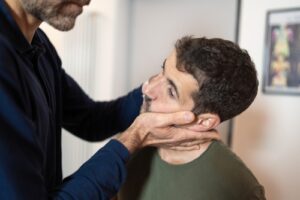
Close-up,Of,An,Osteopath,Performing,Cervical,Manipulation,And,Temporomandibular,JointWhen you schedule an appointment with Dr. Garceau, the evaluation begins with a detailed review of your medical and sleep history, followed by a physical examination focusing on the jaw and airway status. This thorough assessment ensures that both sleep apnea and any TMJ issues are identified correctly.

Common Diagnostic Tools for Identifying Sleep Apnea and TMJ Disorders

Several tests help professionals assess your condition fully, including:

  • Home Sleep Studies: Easy-to-use monitoring devices track your breathing patterns and detect interruptions while you sleep in the comfort of your home.
  • Polysomnography: Performed in a certified sleep center, this comprehensive overnight study monitors brain waves, oxygen levels, heart rate, and breathing.

Alongside imaging and jaw movement evaluation, these diagnostics aid in creating an effective treatment strategy tailored to you.

When to Consult a Dental Sleep Medicine Specialist?

If your symptoms suggest sleep apnea or you experience orofacial pain that hasn’t responded to other treatments, consulting with a specialist is key. Dental sleep medicine experts like Dr. Garceau specialize in the intersection of sleep disorders and dental health, making them ideal partners in managing these complex conditions.

Oral Appliance Therapy: A Personalized Solution for Orofacial Pain and Sleep Apnea

Oral appliance therapy offers a comfortable, non-invasive treatment to reduce symptoms of sleep apnea and mitigate orofacial pain. These custom-made devices fit snugly over your teeth and work by holding the lower jaw forward to keep the airway open during sleep.

By gently repositioning the jaw, oral appliances can:

  • Prevent airway collapse and improve breathing
  • Reduce pressure and inflammation on the TMJ
  • Decrease teeth grinding and jaw clenching

Many patients report better sleep quality and notable relief from jaw pain when using these devices consistently under professional guidance.

Benefits of Oral Appliance Therapy

Key advantages include:

  • Non-surgical and less cumbersome than CPAP machines
  • Easy to carry and maintain for daily use and travel
  • Usually well-tolerated with minimal side effects

Potential mild side effects might include temporary mouth dryness, slight discomfort, or minor changes in tooth position, but these are often manageable with the support of your sleep specialist.

Frequently Asked Questions

Can oral appliance therapy completely cure sleep apnea?
Is oral appliance therapy comfortable to wear all night?
Will using an oral appliance affect my natural bite or teeth alignment?
How soon can I expect relief from jaw pain after starting oral appliance therapy?
Can oral appliance therapy completely cure sleep apnea?
While oral appliances significantly reduce symptoms and improve airway function for many patients with mild to moderate sleep apnea, they may not cure the condition entirely. It’s best to work with your specialist to evaluate ongoing effectiveness and explore other options if needed.
Is oral appliance therapy comfortable to wear all night?
Most patients find oral appliances comfortable after a short adjustment period. Custom fitting by a skilled provider ensures optimal comfort, and regular follow-ups help manage any issues.
Will using an oral appliance affect my natural bite or teeth alignment?
In rare cases, prolonged use can cause minor shifts in tooth position. However, these changes are typically minimal and monitored closely by your provider to maintain dental health.
How soon can I expect relief from jaw pain after starting oral appliance therapy?
Many patients report noticeable improvements within a few weeks of consistent use, but individual experiences vary. Continued follow-up ensures therapy is optimized for your needs.

Embrace a Pain-Free Life with Top Care in Windsor, CT

Orofacial pain and sleep apnea are challenging conditions that often intertwine, impacting your sleep quality and daily comfort. Fortunately, with the expertise of Dr. Roberta Garceau—a trusted sleep apnea specialist serving Windsor and surrounding communities—you don’t have to face these issues alone. Through thorough diagnosis, compassionate care, and innovative treatments like oral appliance therapy, you can reclaim restful nights and a pain-free life. Reach out to our Windsor sleep specialist today by calling (860) 254-6189 to explore your options and take the confident first step toward healing.

Hours

Monday Closed
Tuesday 8:00am to 5:00pm
Wednesday 8:00am to 5:00pm
Thursday 8:00am to 5:00pm
Friday 8:00am to 5:00pm

Contact Us

YOUR DENTIST IN WINDSOR

Dr. Roberta Garceau
62 Bloomfield Avenue, Windsor, CT 06095

New Patients: 860-254-6189
Current Patients: 860-688-4325

Find Us