Facebook
Twitter
Google+
YouTube
CALL US
860-254-6189
  • Home
  • Meet Our Sleep Apnea Specialist
  • Sleep Apnea
    • Sleep Apnea Treatments
      • Oral Appliances
      • CPAP Therapy
      • Surgery for Sleep Apnea
    • Why You Should See Your Dentist
    • The Symptoms & Causes of Sleep Apnea
    • The Dangers of Untreated Sleep Apnea
    • Resources
      • How Snoring Affects Relationships
      • Sleep Apnea & Your Mental Health
      • Sleep Apnea & Your Child
      • Sleep Apnea & Pregnancy
      • Sleep Apnea & ADHD
      • Sleep Apnea and Hypertension
      • Mouth & Throat Exercises for Sleep Apnea
  • Sleep Apnea Test & Treatment Financing
  • Testimonials
  • Contact

Struggling to Breathe at Night? Discover Causes and Solutions in Windsor, CT

Breathing difficulties during sleep can be more than just an occasional nuisance—they can seriously affect your health, energy, and overall quality of life. If you or a loved one find yourselves waking up gasping for air or feeling exhausted despite a full night’s rest, it’s important to understand what might be causing these symptoms and how to address them. Our trusted Windsor sleep apnea specialist, Dr. Roberta Garceau, is here to help patients in  Windsor, CT, and the surrounding areas like Granby, Bloomfield, or South Windsor. 

Difficulty breathing while sleeping is often linked to conditions like sleep apnea, which can disrupt your rest and lead to serious health issues if left untreated. Fortunately, there are treatment options that can help you breathe easier and sleep better. If you have trouble breathing at night, schedule a consultation with our sleep apnea specialist in Windsor by calling (860) 254-6189. 

person-sleeping-peacefully-in-a-cozy-bedroom-highlighting-the-importance-of-sleep-health

How Can Patients Improve Their Breathing and Sleep Quality Locally?

Improving your breathing and sleep quality often involves a combination of lifestyle changes and professional treatment.

What Snoring Solutions Are Available in Windsor?

Our Windsor sleep apnea dentist offers several options to address snoring and breathing difficulties. These include oral appliances, CPAP therapy, positional therapy, and in some cases, surgical interventions for more severe or anatomical issues. Consulting with Dr. Roberta Garceau can help you find the best solution tailored to your needs.

How to Choose the Right Sleep Apnea Specialist Near You?

  • Credentials and Experience: Look for specialists with proven expertise in sleep medicine and dental sleep appliances.
  • Communication Style: Choose a provider who listens carefully and explains treatment options clearly.
  • Insurance Coverage: Confirm that your insurance plan is accepted to avoid unexpected expenses.

Following these steps will help you find a qualified professional who can guide you toward better sleep and health.

Common Causes of Difficulty Breathing While Sleeping

Understanding the various factors that contribute to breathing difficulties during sleep is crucial for effective treatment. Below are the most common causes that can lead to these issues, helping you identify potential concerns and seek appropriate care.

  • Obstructive Sleep Apnea (OSA) – A condition where the throat muscles relax excessively, blocking the airway and causing breathing interruptions during sleep.
  • Asthma – This chronic condition leads to airway inflammation, making it difficult to breathe, especially at night when symptoms may worsen.
  • Allergies – Allergic reactions can cause nasal congestion and inflammation, obstructing airflow and making breathing difficult while sleeping.
  • Chronic Obstructive Pulmonary Disease (COPD) – A progressive lung disease that affects airflow, leading to breathing difficulties during sleep and throughout the day.
  • Obesity – Excess weight can put pressure on the chest and abdomen, restricting lung capacity and leading to breathing problems during sleep.
  • Gastroesophageal Reflux Disease (GERD) – Acid reflux can irritate the throat and airways, causing discomfort and breathing issues when lying down.
  • Heart Conditions – Certain cardiovascular issues can lead to fluid buildup in the lungs, making it harder to breathe while sleeping.

How Is Difficulty Breathing While Sleeping Diagnosed?

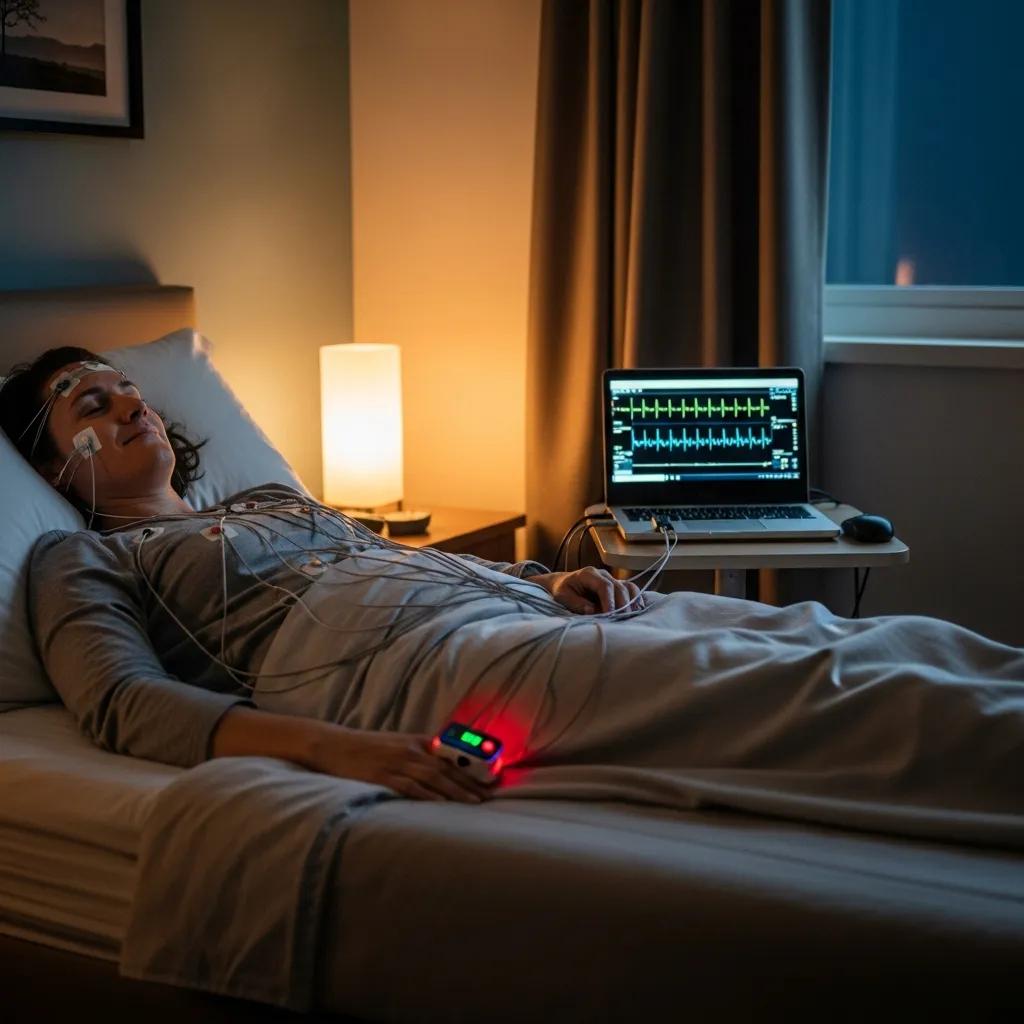
sleep studyIf you suspect you have trouble breathing while sleeping, a thorough evaluation by a healthcare professional is essential. This usually involves consultations and specialized tests to pinpoint the cause.

Medical History and Symptom Review

Diagnosis begins with a detailed discussion of your symptoms, including loud snoring, gasping or choking at night, waking up short of breath, daytime fatigue, morning headaches, and dry mouth. A provider will also ask if a bed partner has noticed breathing pauses. Common conditions evaluated include Obstructive Sleep Apnea, Central Sleep Apnea, and Upper Airway Resistance Syndrome.

Physical Examination

Your healthcare provider will examine your throat, tonsils, nasal passages, jaw alignment, neck size, and body mass index. Structural factors such as enlarged tonsils, a narrow airway, or jaw positioning can contribute to nighttime breathing problems.

Sleep Study Testing

The most accurate way to diagnose sleep-related breathing disorders is through a sleep study, also called polysomnography. This test monitors brain activity, oxygen levels, heart rate, airflow, breathing effort, and body movements overnight in a sleep center. In some cases, a home sleep apnea test may be used to measure airflow, breathing effort, and oxygen levels. Results are measured using the Apnea-Hypopnea Index, which determines whether the condition is mild, moderate, or severe.

Additional Evaluations

If necessary, your provider may recommend imaging of the airway, heart evaluations, or lung function testing to rule out other contributing conditions. Early diagnosis allows for targeted treatment and helps prevent complications such as heart disease, stroke, and high blood pressure.

What Are the Treatment Options for Difficulty Breathing While Sleeping?

Treatment depends on the cause and severity of your breathing difficulties. For sleep apnea, continuous positive airway pressure (CPAP) machines are commonly prescribed, but there are also other effective options. Sleep medicine is evolving, offering more personalized treatments beyond CPAP to suit different patient needs.

Oral Appliance Therapy 

Oral appliance therapy involves wearing a custom-made device that repositions your jaw to keep your airway open while you sleep. This treatment is especially effective for mild to moderate sleep apnea and for patients who find CPAP machines uncomfortable or difficult to use. Oral appliances are discreet, portable, and often easier to tolerate, making them a popular choice for many patients. Many patients in Windsor and nearby areas have found relief and improved sleep quality through oral appliance therapy under the care of Dr. Roberta Garceau.

Frequently Asked Questions 

Can difficulty breathing during sleep be a sign of a serious health problem?
Is oral appliance therapy effective for all types of sleep apnea?
How soon can I expect to see improvements after starting treatment?
Are sleep studies necessary before starting treatment?
Can difficulty breathing during sleep be a sign of a serious health problem?
Yes, it can indicate conditions like sleep apnea, which may increase the risk of heart disease, stroke, and other complications if untreated.
Is oral appliance therapy effective for all types of sleep apnea?
Oral appliances are most effective for mild to moderate obstructive sleep apnea and for patients who cannot tolerate CPAP therapy. Severe cases may require other treatments.
How soon can I expect to see improvements after starting treatment?
Many patients notice better sleep and reduced symptoms within a few weeks of starting treatment, but it varies depending on the individual and the therapy used.
Are sleep studies necessary before starting treatment?
Yes, sleep studies help diagnose the specific cause and severity of breathing problems during sleep, ensuring the most appropriate treatment plan.

Improving Your Sleep and Health at Our Windsor Dental Office

If you or a loved one are experiencing difficulty breathing while sleeping, don’t wait to get help. Dr. Roberta Garceau, a trusted sleep apnea dentist in Windsor, CT, is here to provide diagnosis and personalized treatment options. Serving Windsor and nearby communities including Granby, Bloomfield, and South Windsor, Dr. Garceau is dedicated to helping you breathe easier and sleep better. 

Schedule an appointment with our sleep apnea specialist in Windsor  by calling (860) 254-6189 to take control of your sleep health and enjoy the restful nights you deserve.

Hours

Monday Closed
Tuesday 8:00am to 5:00pm
Wednesday 8:00am to 5:00pm
Thursday 8:00am to 5:00pm
Friday 8:00am to 5:00pm

Contact Us

YOUR DENTIST IN WINDSOR

Dr. Roberta Garceau
62 Bloomfield Avenue, Windsor, CT 06095

New Patients: 860-254-6189
Current Patients: 860-688-4325

Find Us