
Facebook
Twitter
Google+
YouTube
CALL US
860-254-6189
  • Home
  • Meet Our Sleep Apnea Specialist
  • Sleep Apnea
    • Sleep Apnea Treatments
      • Oral Appliances
      • CPAP Therapy
      • Surgery for Sleep Apnea
    • Why You Should See Your Dentist
    • The Symptoms & Causes of Sleep Apnea
    • The Dangers of Untreated Sleep Apnea
    • Resources
      • How Snoring Affects Relationships
      • Sleep Apnea & Your Mental Health
      • Sleep Apnea & Your Child
      • Sleep Apnea & Pregnancy
      • Sleep Apnea & ADHD
      • Sleep Apnea and Hypertension
      • Mouth & Throat Exercises for Sleep Apnea
  • Sleep Apnea Test & Treatment Financing
  • Testimonials
  • Contact

The Hidden Connection Between Menopause and Your Sleep
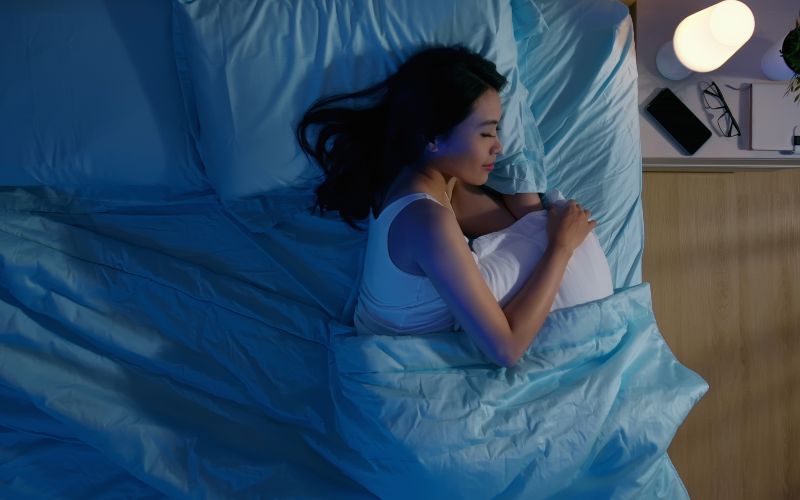
woman sleepingWhen women navigate perimenopause and menopause, conversations typically focus on hot flashes, mood shifts, and night sweats. However, an often overlooked change happens in your airway. Many women who slept soundly for decades suddenly find themselves waking up exhausted, gasping for air, or struggling with daytime fatigue.

While these sleep disruptions are frequently blamed on hormonal changes alone, declining hormone levels can directly trigger or worsen obstructive sleep apnea. Our Windsor sleep apnea specialist, Dr. Roberta Garceau helps women understand this physiological connection and find comfortable, non-invasive solutions to restore their sleep and protect their long-term health. If you are going through menopause and wish to understand how it relates to sleep apnea, schedule a visit with Dr. Garceau by calling (860) 254-6189. 

How Hormonal Changes Impact Your Upper Airway

To understand why sleep apnea becomes much more common during menopause, it helps to look at the protective role that female sex hormones play during your earlier years. Estrogen and progesterone are not just reproductive hormones; they actively support respiratory health and muscle tone throughout your body.

The Protective Role of Estrogen and Progesterone

Progesterone acts as a natural breathing stimulant, prompting your brain to maintain steady respiratory drive during sleep. Simultaneously, estrogen helps maintain the strength and elasticity of the muscles in your upper airway, including the dilator muscles at the back of your throat. Together, these hormones keep your breathing tube open and rigid while you rest.

What Happens During Menopause?

As hormone production decreases during perimenopause and menopause, this natural airway support weakens. The soft tissues in the back of the throat become more prone to sagging and collapsing during sleep. When the airway relaxes completely, air cannot flow smoothly to your lungs, causing repeated breathing pauses known as obstructive sleep apnea. Furthermore, changes in fat distribution that often accompany menopause can add physical pressure around the neck and throat, further narrowing the airway.

Why Sleep Apnea in Women is Frequently Misdiagnosed

woman sleepingSleep apnea symptoms in women often present differently than in men. While men typically experience loud, thunderous snoring and dramatic choking sounds, women frequently report subtler signs that mimic general menopause symptoms.

Common signs of sleep apnea in menopausal women include:

  • Chronic fatigue, morning brain fog, and low daytime energy
  • Frequent nighttime awakenings or insomnia
  • Morning headaches and dry mouth upon waking
  • Mood changes, heightened anxiety, or persistent irritability
  • Waking up feeling unrefreshed, even after eight hours in bed

Because these symptoms overlap closely with typical menopausal transitions, many women are told their sleep issues are solely due to hormonal fluctuations. Consequently, underlying obstructive sleep apnea remains undiagnosed for years, placing continuous stress on the cardiovascular system.

The Health Risks of Untreated Sleep Apnea

Sleep is when your body repairs itself, balances hormones, and calms the nervous system. When obstructive sleep apnea interrupts your breathing dozens of times every hour, your blood oxygen drops, triggering a stress response.

Over time, untreated obstructive sleep apnea increases the risk of serious health conditions, including:

  • High blood pressure and increased strain on the heart
  • Elevated risk of heart attack, stroke, and irregular heart rhythms
  • Insulin resistance and increased risk of type 2 diabetes
  • Accelerated cognitive decline and memory difficulties
  • Greater risk of depression and chronic anxiety

Addressing sleep apnea during perimenopause and menopause is crucial for safeguarding your long-term cardiovascular, metabolic, and mental health.

Comfortable Relief with Custom Oral Appliance Therapy

Dental,Mouth,GuardIf you are diagnosed with sleep apnea, you do not have to rely on a bulky CPAP mask to get a good night’s rest. For many women, custom oral appliance therapy provides a quiet, comfortable, and highly effective solution.

As a dedicated sleep apnea specialist in Windsor, Dr. Roberta Garceau offers custom-fitted oral appliances. These small, mouthguard-like devices are worn only while you sleep. The appliance gently holds your lower jaw slightly forward, preventing the tongue and throat tissues from collapsing backward into your airway.

Benefits of Oral Appliances for Women

  • Custom Comfort: Designed specifically for your unique mouth structure to ensure a precise, comfortable fit.
  • Completely Silent: Operates without noisy motors, fans, or air pressure, letting you and your partner sleep peacefully.
  • Easy for Travel: Lightweight and compact, fitting effortlessly into a handbag or overnight bag.
  • High Success Rate: Because oral appliances are so comfortable, women wear them consistently night after night.

Frequently Asked Questions

Why does sleep apnea risk increase after menopause?
Can hormone replacement therapy cure my sleep apnea?
How do I know if my fatigue is caused by menopause or sleep apnea?
What should I expect during my initial visit with Dr. Garceau?
Why does sleep apnea risk increase after menopause?
During perimenopause and menopause, levels of estrogen and progesterone drop significantly. Because these hormones help maintain muscle tone in the throat and stimulate steady breathing, their decline allows the upper airway tissues to relax and collapse more easily during sleep, increasing the likelihood of obstructive sleep apnea.
Can hormone replacement therapy cure my sleep apnea?
While hormone replacement therapy (HRT) may help reduce some menopausal symptoms like hot flashes, research shows it is generally not a standalone cure for obstructive sleep apnea. Physical airway obstruction often requires direct structural support, such as a custom oral appliance, to keep the airway open during sleep.
How do I know if my fatigue is caused by menopause or sleep apnea?
If you suffer from waking up choking or gasping, morning headaches, chronic exhaustion despite spending plenty of time in bed, or loud snoring, sleep apnea could be the primary cause. Consulting a qualified Windsor sleep apnea specialist for a comprehensive airway evaluation and coordinating a sleep study is the best way to get a clear answer.
What should I expect during my initial visit with Dr. Garceau?
During your visit, Dr. Garceau will thoroughly examine your teeth, jaw, tongue position, and throat anatomy for signs of airway restriction. She will review your symptoms, discuss your health history, and help coordinate a convenient home sleep test with a medical sleep physician if needed. Once diagnosed, she will design a custom oral appliance tailored specifically for your comfort.

Take Charge of Your Sleep and Health in Windsor, CT

Navigating menopause can be challenging, but living with exhaustion does not have to be your baseline. With excellent care from Dr. Roberta Garceau, you can restore your nighttime breathing, protect your health, and reclaim your daily vitality.

Dr. Garceau brings extensive clinical expertise and compassionate care to women throughout Windsor, CT, and neighboring communities, including Granby, Hartford, Simsbury, Bloomfield, South Windsor, East Windsor, Poquonock, East Granby, Suffield, and Windsor Locks.

Contact our Windsor sleep apnea specialist today by calling (860) 254-6189 to schedule your personalized airway consultation. Let us help you enjoy deep, restorative sleep every night.

Hours

Monday Closed
Tuesday 8:00am to 5:00pm
Wednesday 8:00am to 5:00pm
Thursday 8:00am to 5:00pm
Friday 8:00am to 5:00pm

Contact Us

YOUR DENTIST IN WINDSOR

Dr. Roberta Garceau
62 Bloomfield Avenue, Windsor, CT 06095

New Patients: 860-254-6189
Current Patients: 860-688-4325

Find Us